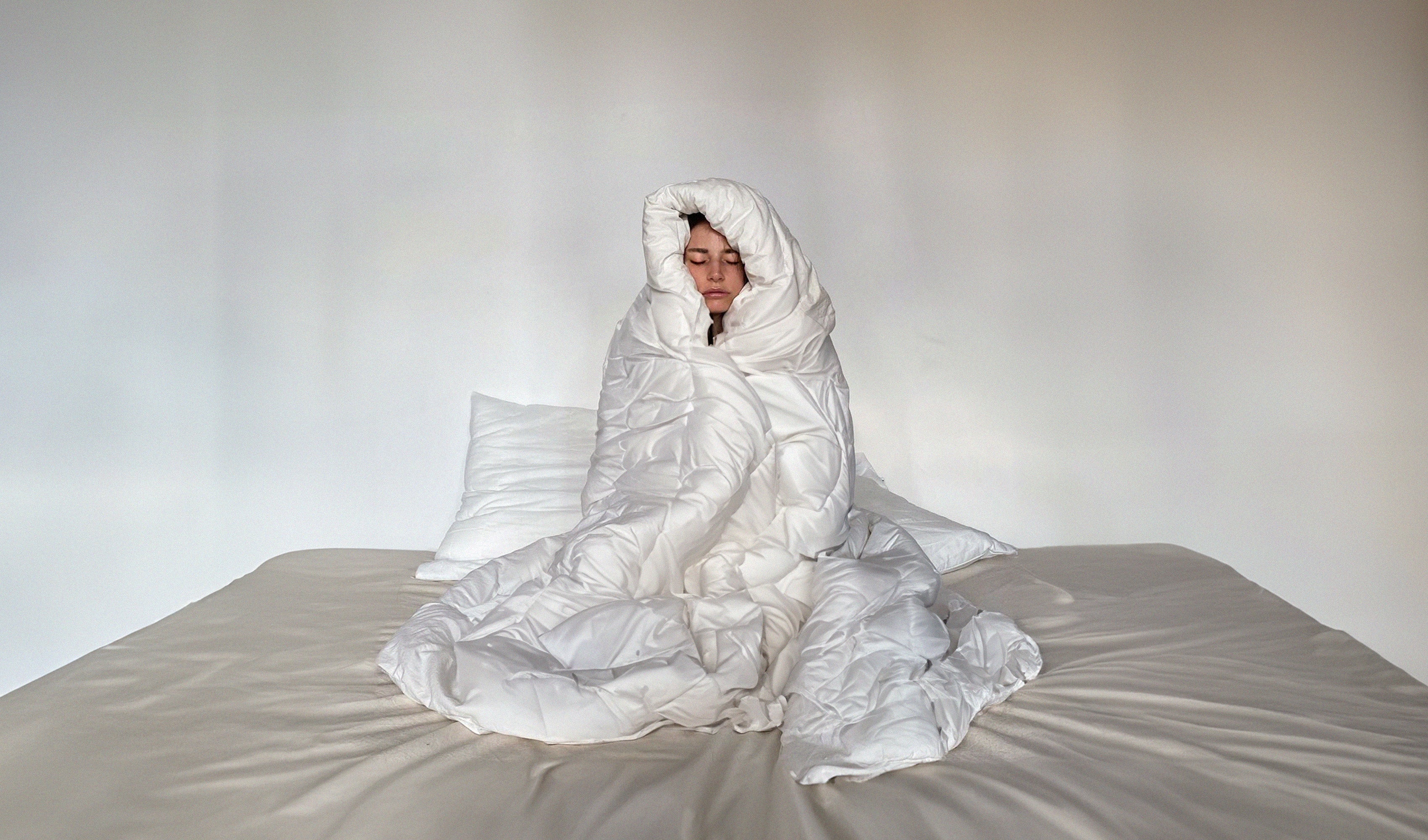
How High Cortisol & Stress Impact Aging

We all know stress feels bad, but what most people don’t realize is that it looks bad too. The hormone behind it all is cortisol, the chemical messenger our bodies release when we’re under constant pressure, running on caffeine, skipping meals, or not sleeping deeply. When cortisol stays high for too long, it changes the very architecture of your face and body.
Your face under stress
Cortisol breaks down collagen and elastin, the proteins that keep your skin plump, smooth, and lifted. Over time, this leads to thinner skin, fine lines, loss of volume around the cheeks and eyes, and a dull, papery texture. Chronic stress also constricts blood vessels, cutting off oxygen and nutrient flow, so your glow fades.
High cortisol increases oil production and inflammation, which can trigger hormonal acne, redness, and puffiness, especially around the jawline and under the eyes. It’s why stressed skin often looks both dull and congested at the same time.
How your body changes
Elevated cortisol raises blood sugar and insulin, which encourages fat storage, particularly around the midsection and face. It also breaks down muscle, slows metabolism, and depletes essential nutrients like magnesium and vitamin C. The result is puffiness, a softer jawline, bloating, and fatigue that you can see in your posture and skin.
For women, cortisol disrupts estrogen and progesterone balance, often leading to hair shedding, brittle nails, and changes in skin hydration.
How to reverse cortisol damage
-
Magnesium-rich supplements
Magnesium lowers cortisol levels and supports deep sleep. holi (mag) was formulated to calm the nervous system, reduce stress, and replenish six forms of magnesium that the body loses most under pressure. This mineral is essential for balancing the HPA axis and helping your body shift from “fight or flight” into deep rest and repair. -
Taurine for nervous system harmony
calm (beauty) combines bioavailable magnesium with taurine, one of the body’s most powerful amino acids for calming the nervous system. Taurine supports GABA activity in the brain, helping to quiet racing thoughts, regulate heart rate, and promote a steady sense of peace. When taurine levels are balanced, your muscles release tension, your digestion improves, and your mind stops signaling stress to your skin. -
Collagen and glycine for calm and repair
High cortisol breaks down connective tissue and accelerates visible aging. holi (mane) replenishes collagen while delivering glycine, an amino acid that quiets the brain, improves sleep quality, and nourishes both the skin and nervous system. Glycine and taurine work in synergy to lower inflammation, stabilize mood, and rebuild the glow that chronic stress erodes. -
Mindful rituals
Limit caffeine, set digital boundaries, and create slow, sensory rituals such as a bath with oils, a facial massage, or time in the sun to lower cortisol naturally. -
Adequate sleep and recovery
Even one night of poor sleep can spike cortisol by up to 45 percent. Rest is the ultimate anti-aging treatment.
Balancing your HPA axis
The hypothalamic-pituitary-adrenal (HPA) axis is the body’s stress circuit, and when it’s overworked, your cortisol rhythm becomes chaotic. You can reset it through slow, intentional movement and grounding practices that signal safety to your nervous system.
-
Somatic exercises and breathwork: Try diaphragmatic breathing, gentle yoga, or slow walking while focusing on your breath. These regulate the vagus nerve and lower cortisol production.
-
Resistance training and Pilates: Light to moderate strength training helps regulate blood sugar and stabilize hormones without overstimulating cortisol.
-
Grounding in nature: Walking barefoot on grass, sand, or soil, or sitting by the sea helps discharge built-up electrical stress from the body and recalibrates your circadian rhythm. The negative ions near the ocean naturally rebalance serotonin and cortisol levels.
-
Listening to healing frequencies: Try 396 Hz, 528 Hz, or 639 Hz music while you rest or meditate. These frequencies calm the HPA axis, reduce stress hormones, and help your body shift into a parasympathetic state.
-
Sunlight and mineral water: Morning sunlight and magnesium-rich mineral water like Gerolsteiner help reprogram your cortisol rhythm and replenish depleted electrolytes.